Introduction:
Oil spills pose a significant threat to our environment and require swift and effective response measures. Implementing proper strategies for oil spill control and clean-up is crucial to minimize environmental damage and protect ecosystems. In this article, we will explore some effective strategies and technologies employed in oil spill management to ensure a rapid and efficient response.
1. Spill Containment and Recovery:
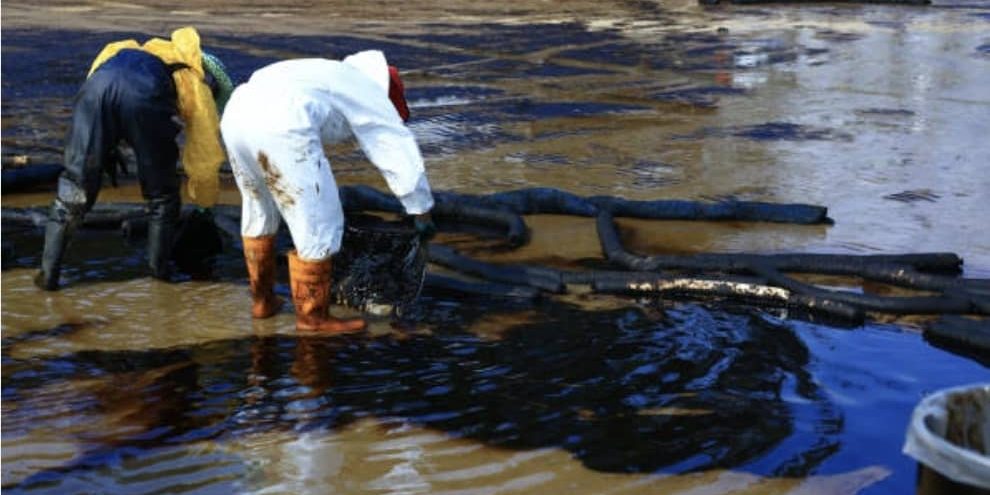
One of the primary strategies in oil spill control is containment and recovery. This involves deploying physical barriers, such as booms and absorbent materials, to contain the spilled oil and prevent its spread. Specialized equipment, such as skimmers and vacuum systems, are then used to recover the oil from the water surface. Prompt containment and recovery efforts help minimize the spread of the spill, reducing its impact on marine life and coastal areas.
2. Chemical Dispersants:
Chemical dispersants are substances used to break down oil into smaller droplets, enhancing its natural degradation process. When applied to the oil slick, dispersants help disperse the oil throughout the water column, facilitating microbial breakdown. However, their use requires careful assessment to ensure minimal harm to marine ecosystems and compliance with environmental regulations.
3. In-situ Burning:
In-situ burning is a technique used for the controlled burning of oil spills on water surfaces. This method involves igniting the spilled oil, which consumes it rapidly, reducing its volume and preventing its spread. In-situ burning is most effective for large spills in open water environments, where containment and recovery may be challenging. However, it requires specialized training, safety protocols, and careful consideration of environmental factors.
4. Remote Sensing and Monitoring:
Advanced technologies, such as remote sensing and monitoring systems, play a crucial role in oil spill response. Satellite imagery, aerial surveys, and drones equipped with specialized sensors can detect and monitor the extent and movement of oil spills. Real-time data collection helps inform decision-making, enabling response teams to deploy resources effectively and track the progress of clean-up operations.
Conclusion:
Oil spills demand proactive and well-coordinated strategies for control and clean-up. By employing effective containment and recovery measures, utilizing chemical dispersants and in-situ burning techniques judiciously, and leveraging remote sensing technologies, we can enhance our ability to respond swiftly and mitigate the environmental impact of oil spills. Ongoing research and innovation in oil spill management will continue to refine these strategies and ensure a more sustainable and resilient approach to protecting our oceans and coastlines.